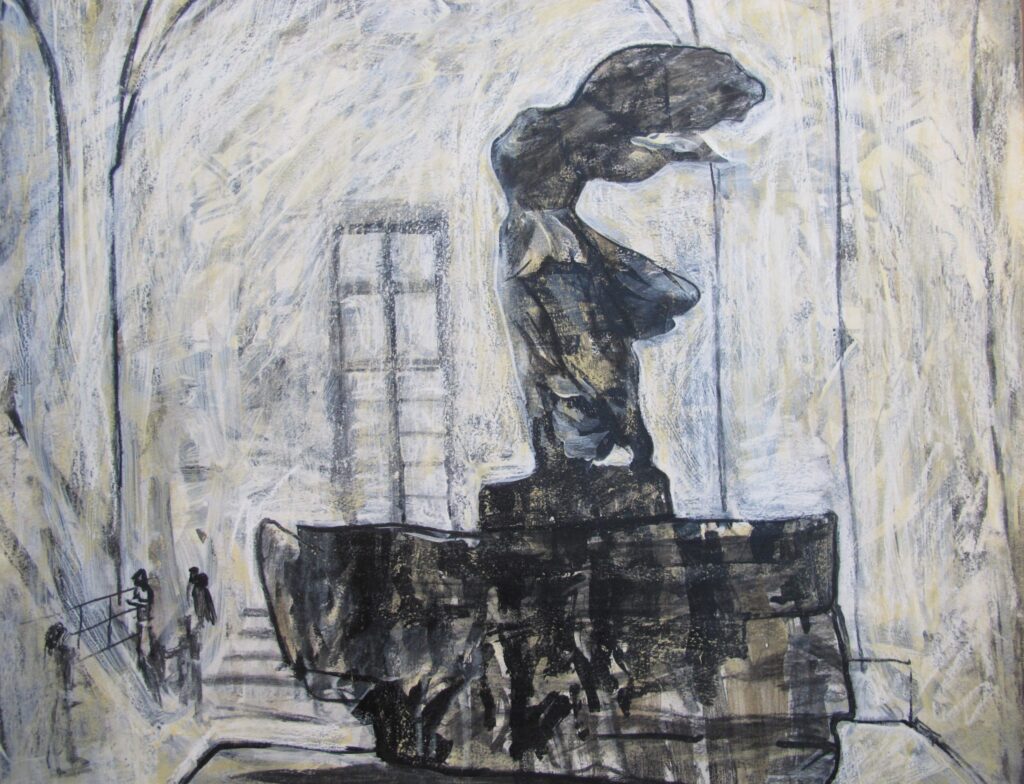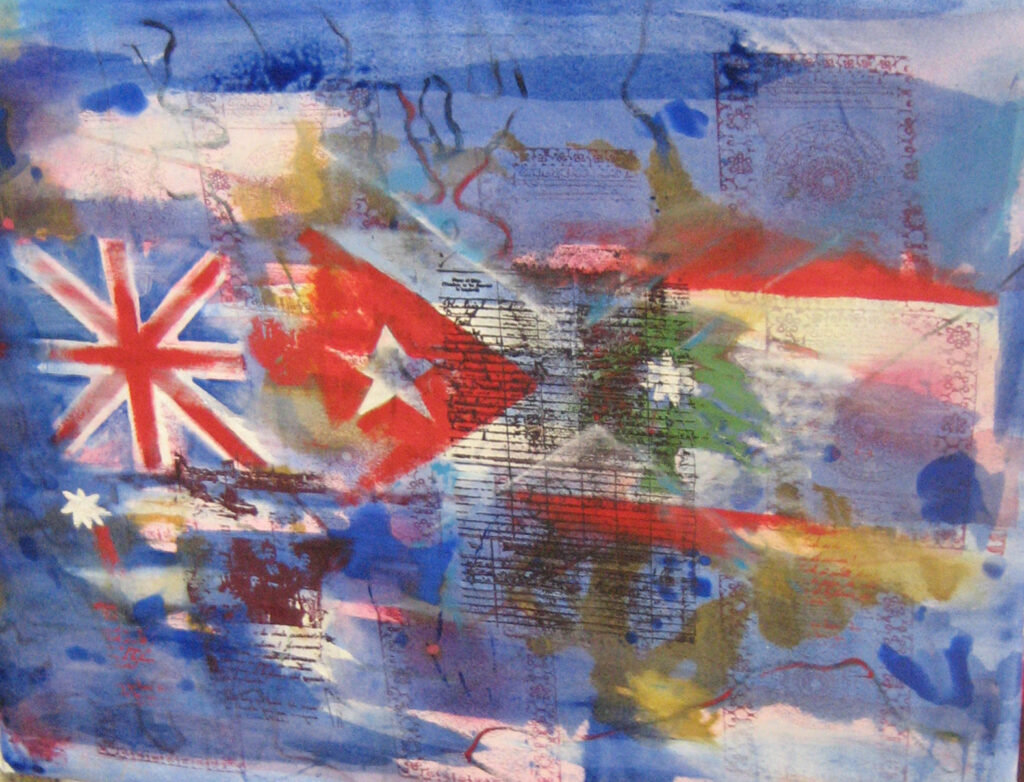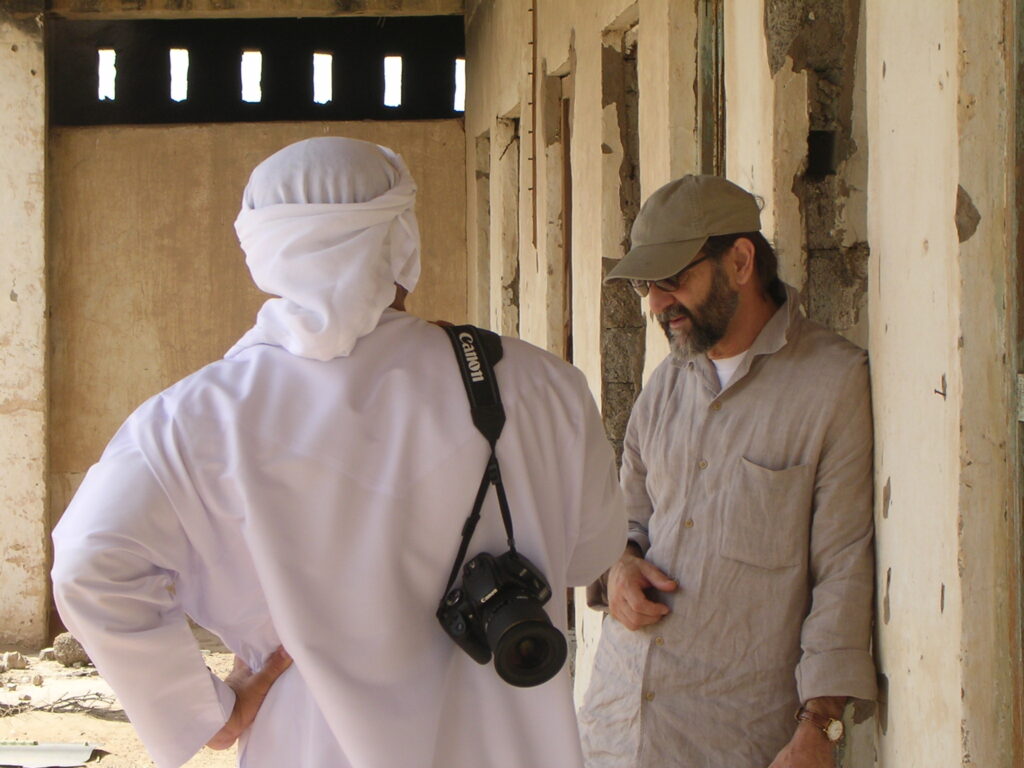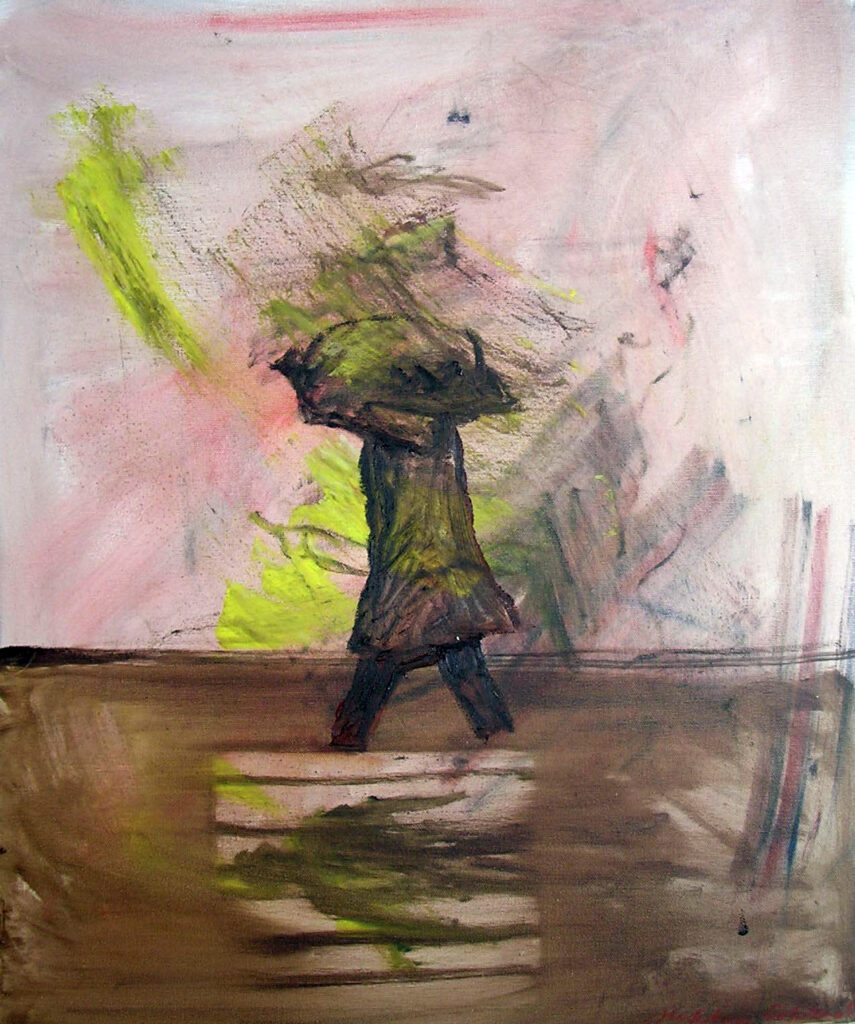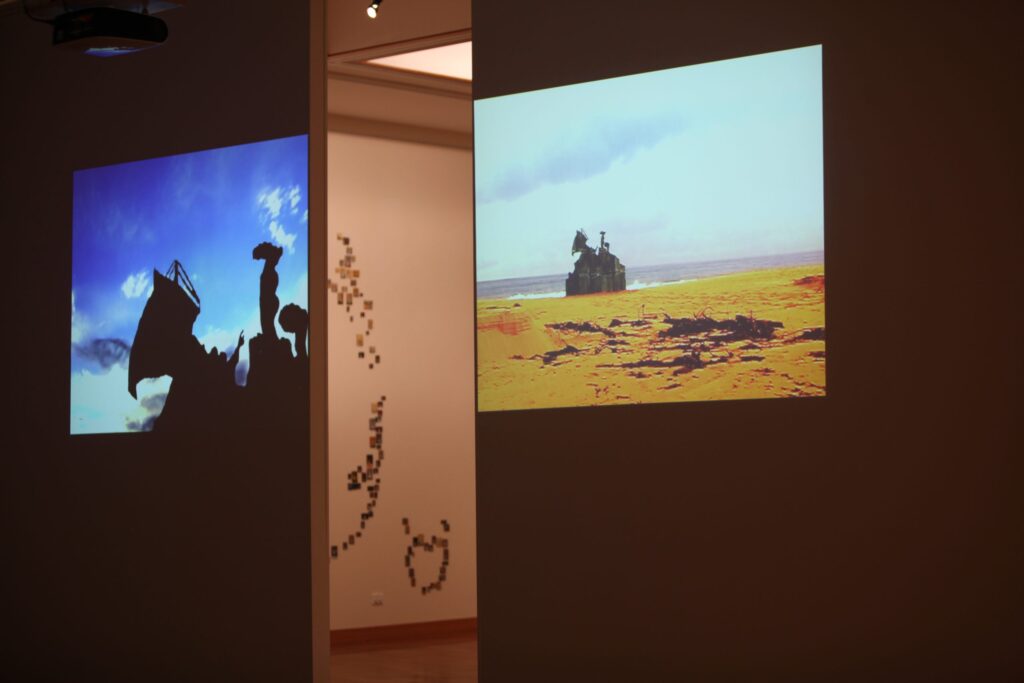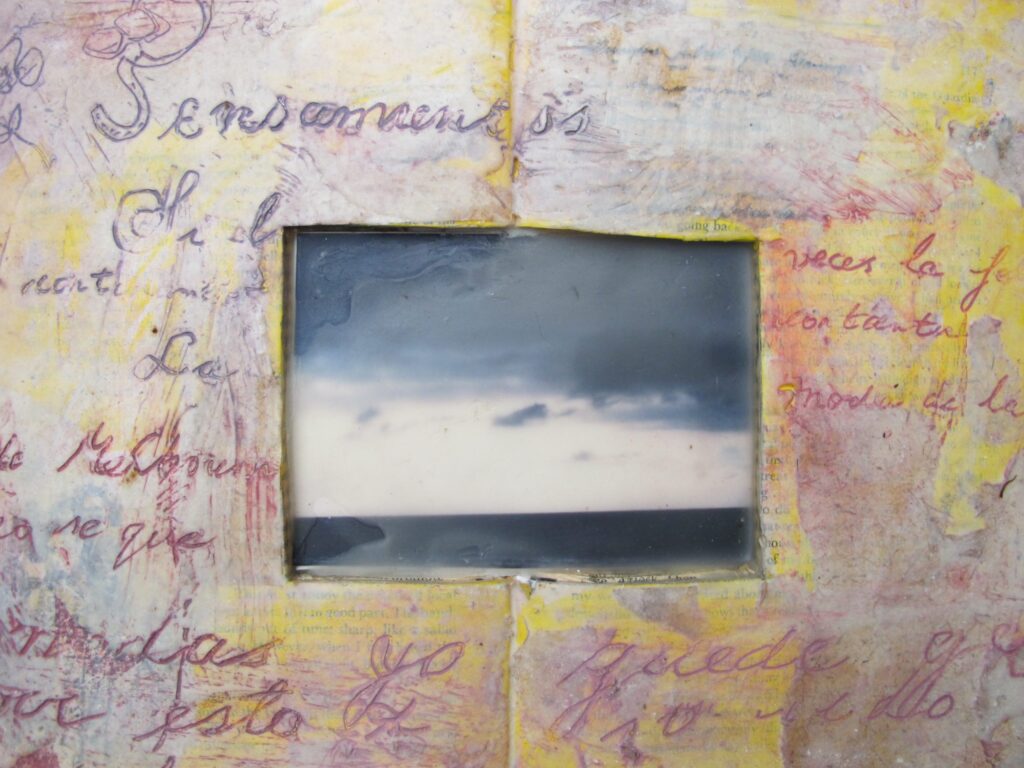
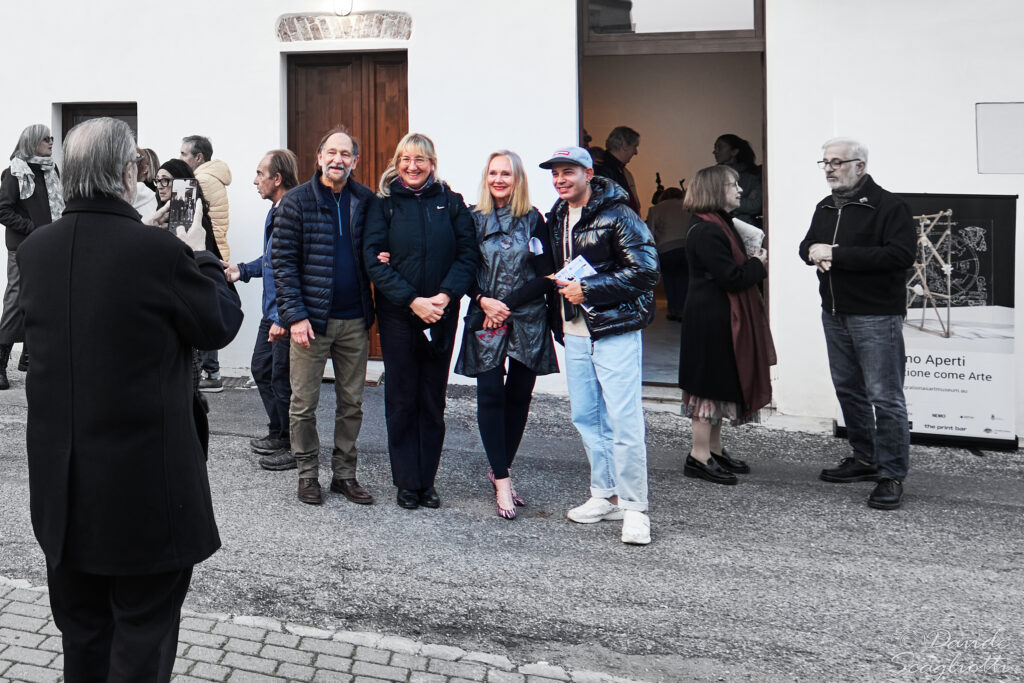
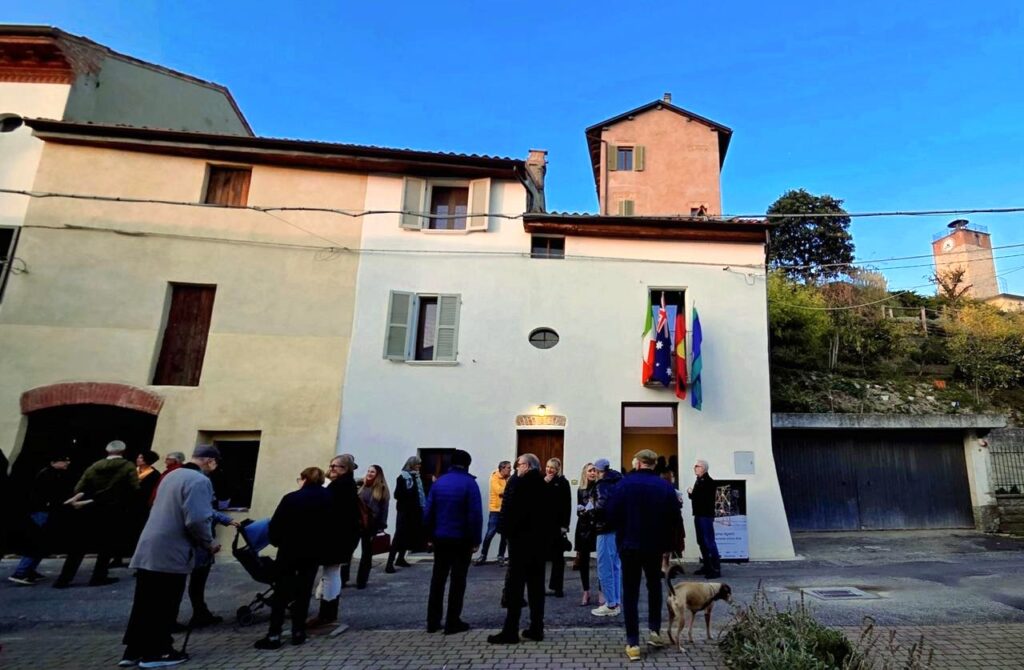
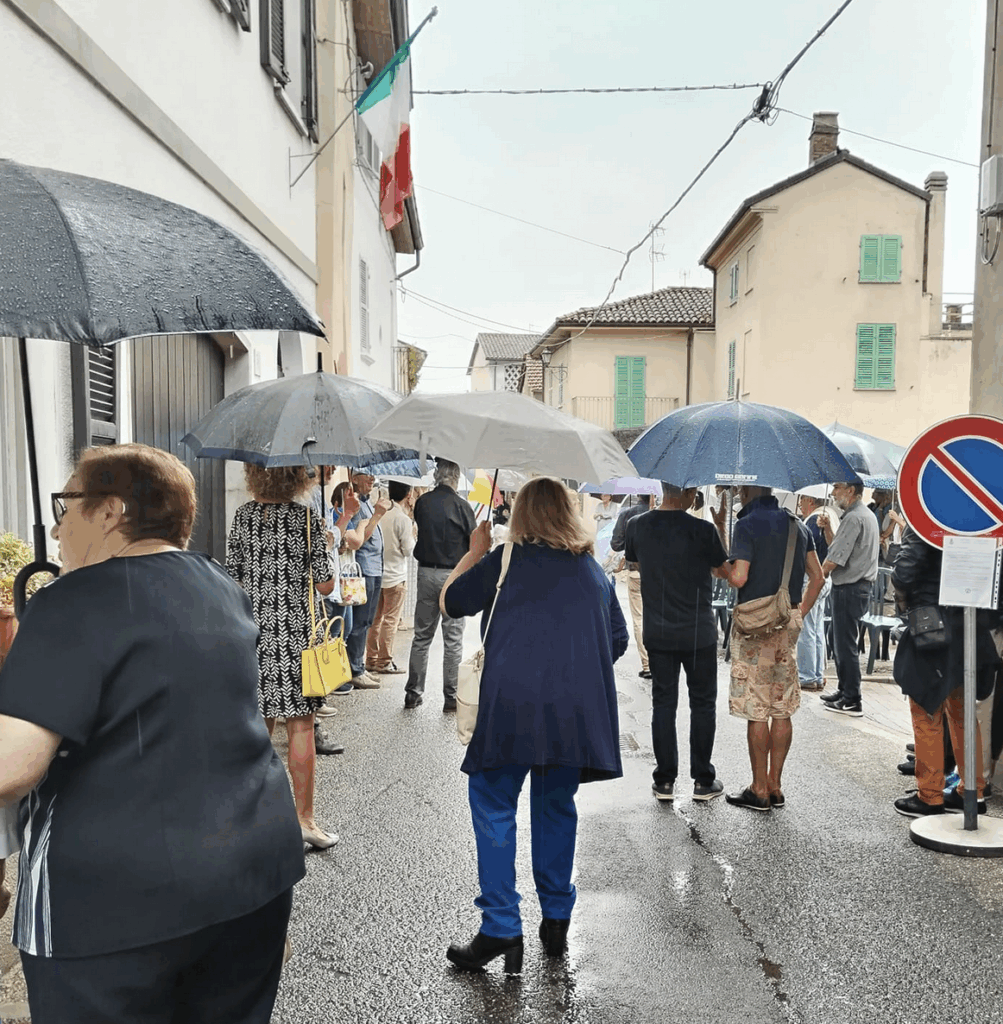
The exhibition Patrimonio opened by Monica Triglia is the first group exhibition to be showcased at Migration as Art Museum, Conzano. Australia’s heritage encompasses a rich tapestry of natural, cultural, and historic sites, reflecting both its ancient Indigenous history and its more recent colonial past. Protecting this heritage is crucial for maintaining Australia’s identity and passing on its stories to future generations.
See the video created by Gabriele Romeo, below:


Migration as Art
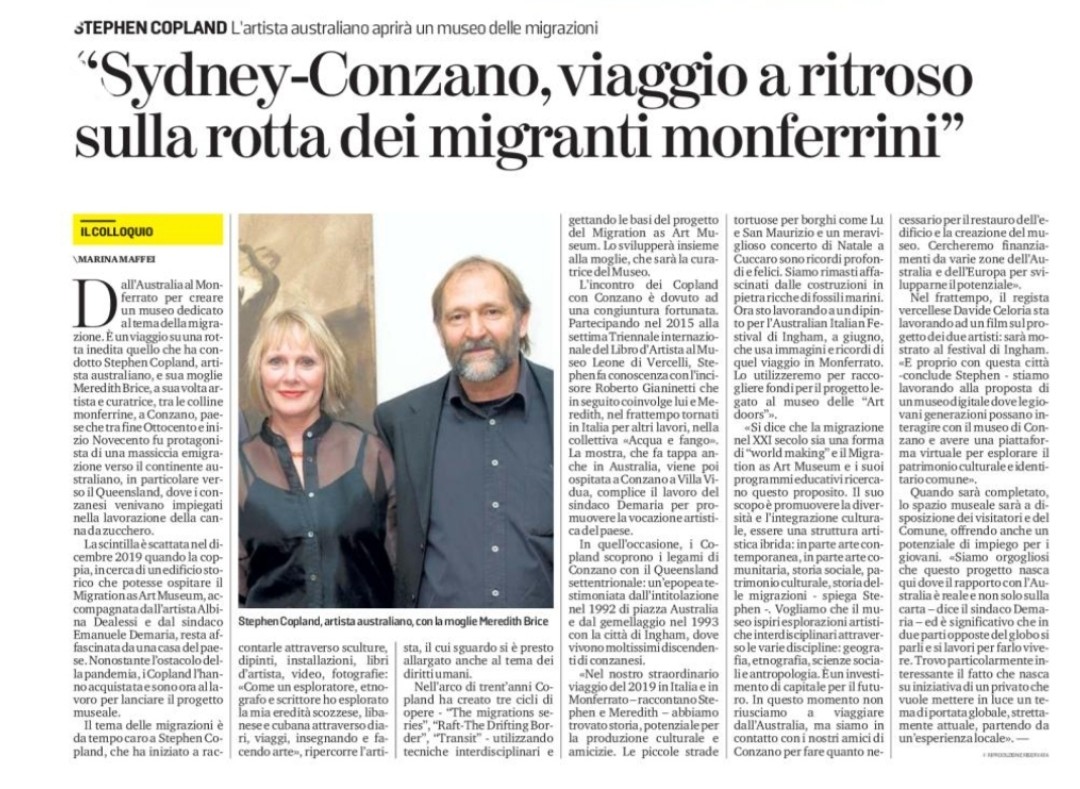
In 1990 Australian visual artist Stephen Copland began a series of sculptures, paintings, drawings, artist’s books, installations, photography, video and prints. Like an explorer, ethnographer and writer the artist explored his Scottish, Cuban and Lebanese heritage through diaries, travel and making art.
Over a thirty-year period the Migration as Art Museum was developed, a series of three archives of national and international exhibitions and conferences on the idea of migration as art.
In 2021 after searching for a location to create a Casa Museo Australian artists Stephen Copland and Meredith Brice purchased the 12th century building in Conzano, Italy. The village is referred to as the “land of the Australians” due to the massive immigration (1890-1935) to Australia.
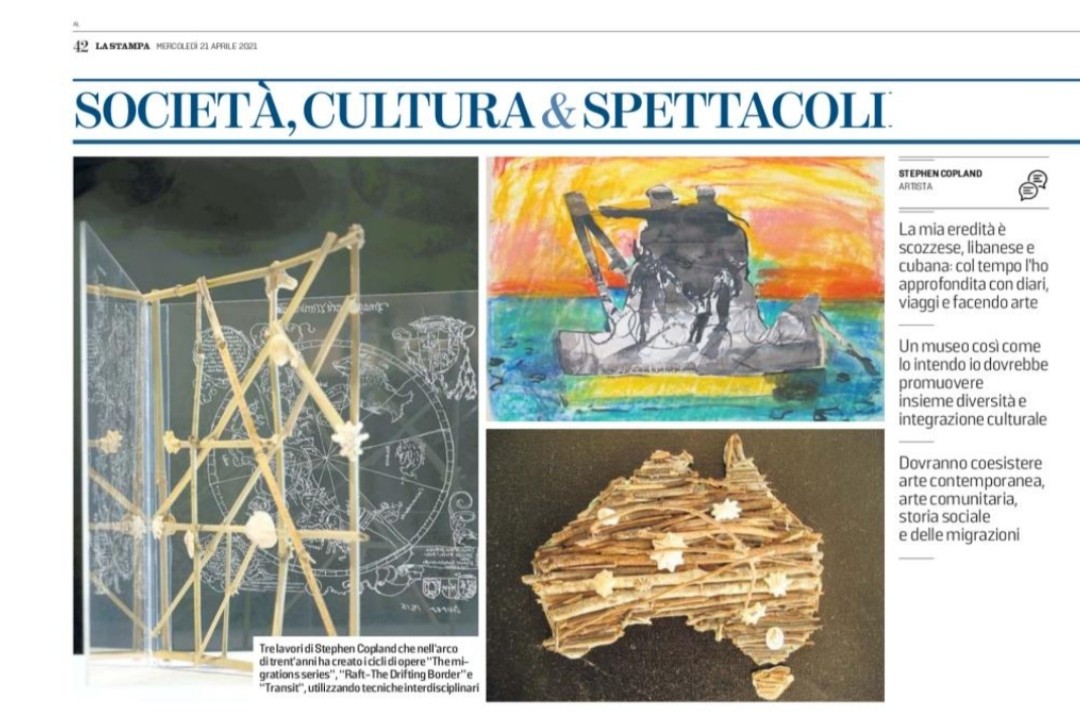
Copland’s concept Migration as Art developed during a Doctor of Creative Arts at Wollongong University, Australia. His archive of migration as Art includes, The Migration Series (1992-2002) visually describes the discovery of his Lebanese grandmother’s diary written on her arrival in Melbourne from Cuba in 1911, and retraces her journey through exhibitions in museums in Cuba, New Zealand, Slovakia, Austria and Lebanon. Raft-The Drifting Border (2004-2020) is an ongoing body of art interpreting the darker side of migration and refugees seeking asylum globally. Transit (2007-2013) is a series of artworks developed from teaching in the Persian Gulf that interprets the symbolic and subjective aspects of identities in transit in a globalised world.
Orhan Pamuk, the Nobel Prize-winning Turkish author, who founded the Museum of Innocence in Istanbul, as keynote speaker at the 2016 International Council of Museums (ICOM) conference in Milan that Copland was invited to present at a paper.
In museums we have history, but what we need is stories. In museums we have nations, but what we need is people. We had groups and factions in museums, but what we need is individuals Yet what we need are small and economical museums that address our humanity.
From an article first published by the Italian newspaper La Repubblica
Our inaugural exhibition on a rainy day in 2023 during the Colline in Festa and has begun the establishment of our Museum, its vision and ongoing development and exhibitions.

Director, Meredith Brice & Stephen Copland
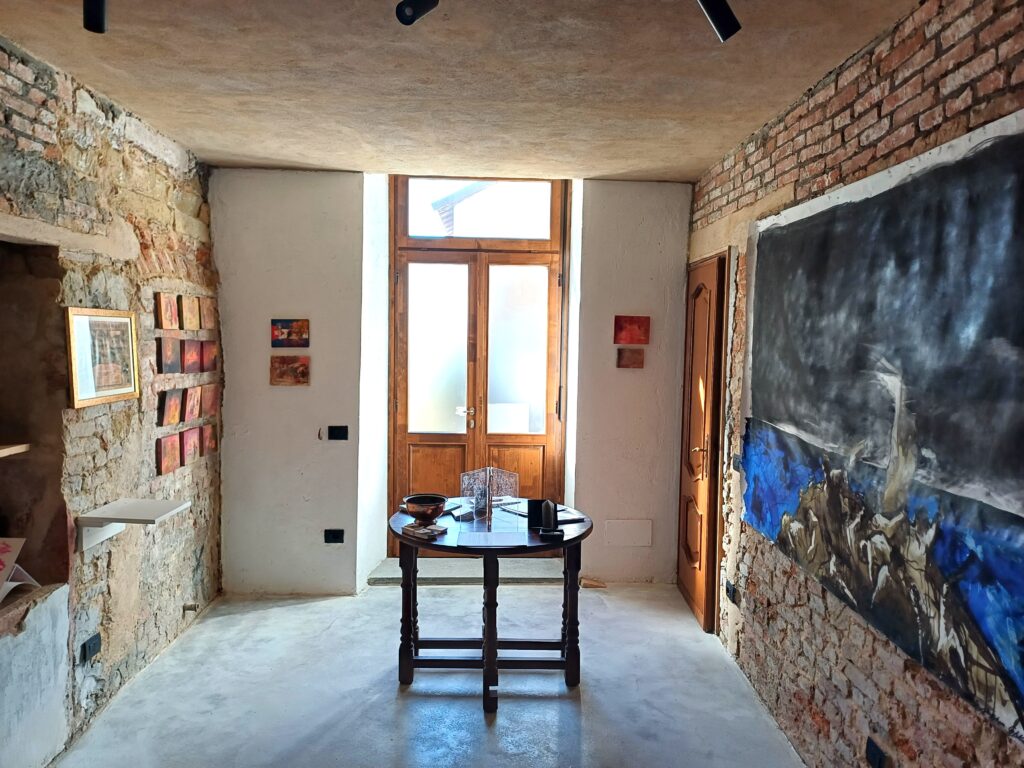
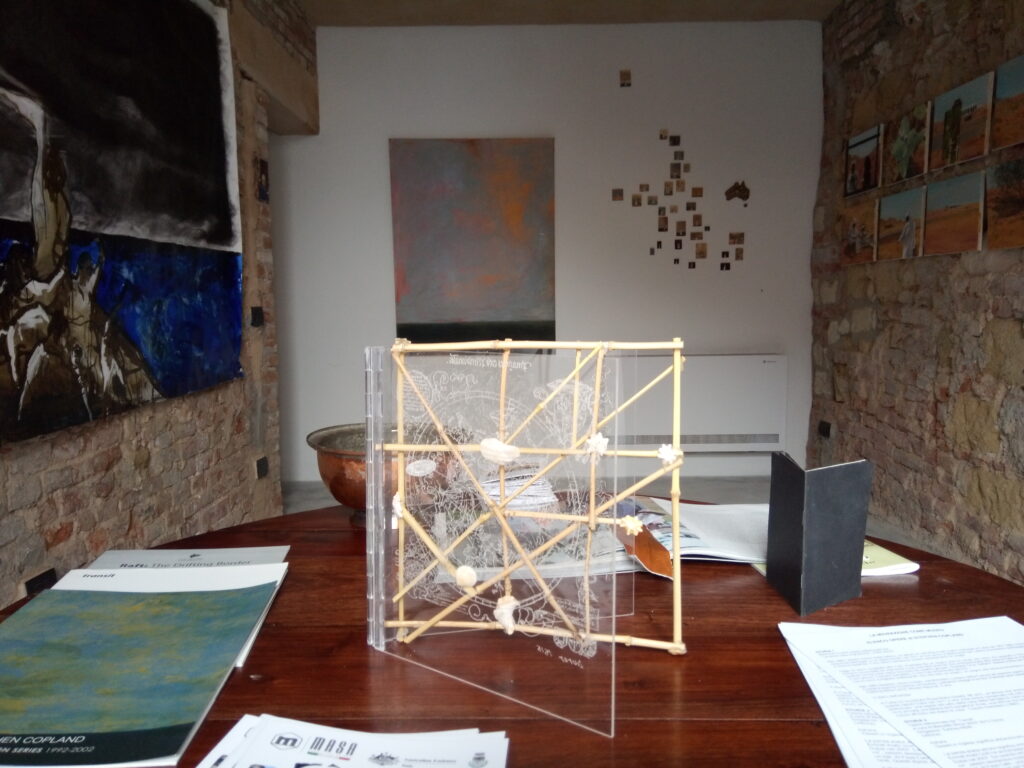
Museum Footage and Media
Our Vision
Heritage stands at the crossroads of climate change, social transformations and processes of reconciliation between peoples. It is a capital investment in the future.
Irina Bokova, Director General, UNESCO
The purpose of the museum is to create cultural connection through heritage, be an investment in the promotion of cultural diversity and integration. Innovative social justice education programs are designed around an archive of sculptures, painting, drawing, artist’s books, installations, photography, video and prints by artist Australian Stephen Copland.
Established as a Casa Museo to intended to generate and inspire interdisciplinary artistic explorations and collaborations through the various disciplines – geography, ethnography, social sciences and anthropology. A creative in-residence program with accommodation will be a centre piece of international collaboration and partnerships with the sciences, arts, literature and all areas that make and create more humane society.
Purpose and Potential
It is said that Migration in the 21st century is a form of “world making” and the Migration as Art Museum and its educational programs seek this purpose. Stephen and Meredith intend to develop a unique educational institute to promote cultural diversity and integration, a hybrid art facility; part contemporary art, part community art, part social history, part heritage and part migration history. Broadly, the museum seeks to encourage personal understandings between new migrants, not so new migrants, and members of mainstream communities internationally.
About the Building
The historic building is located in a central position on the circular road of the hilltop town. Purchased by the artists in 2021, (formerly owned by the Alessandro and Carolina Novelli family, four of whom were among the “Conzanesi” who migrated to Australia), the building is divided into two sections; a small accommodation to one side and an adjoining space (barn). The two year renovation developed a unique space on the ground floor for changing exhibitions.
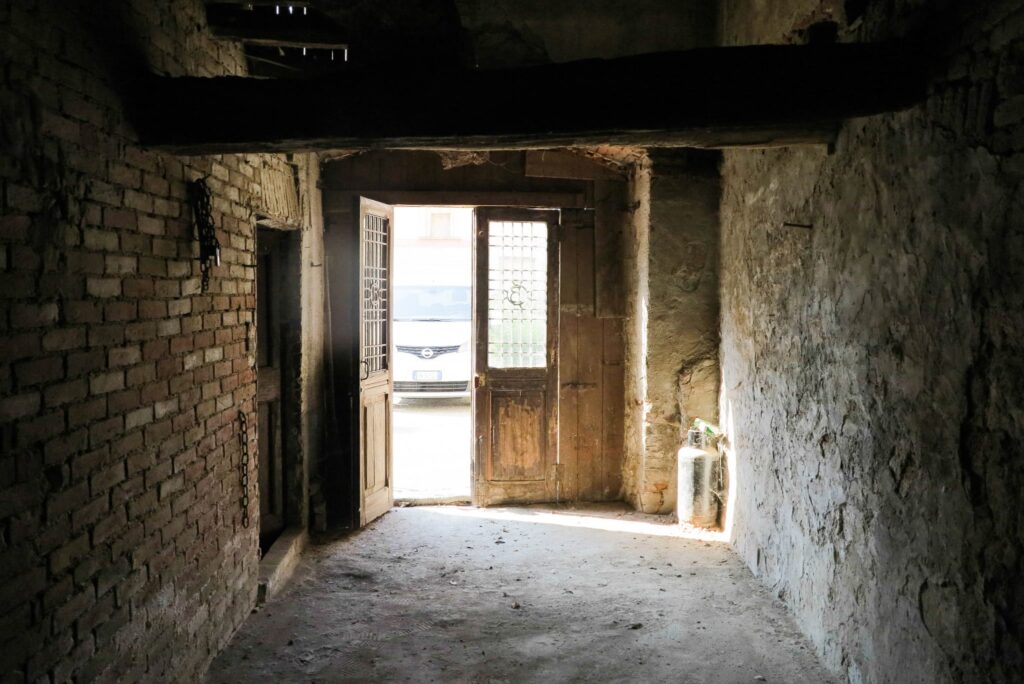
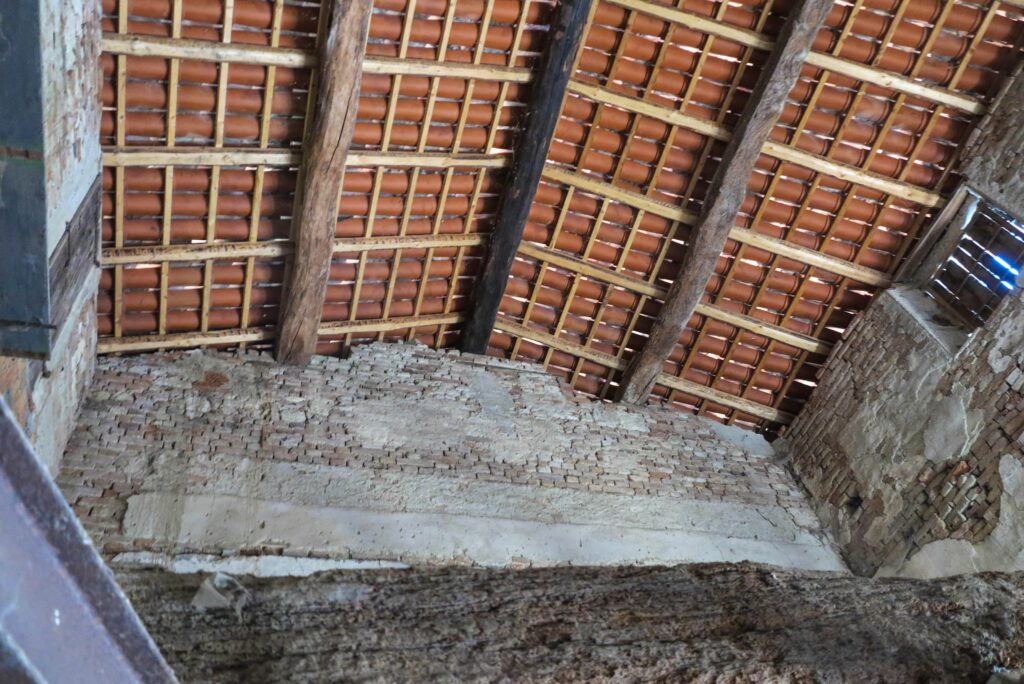
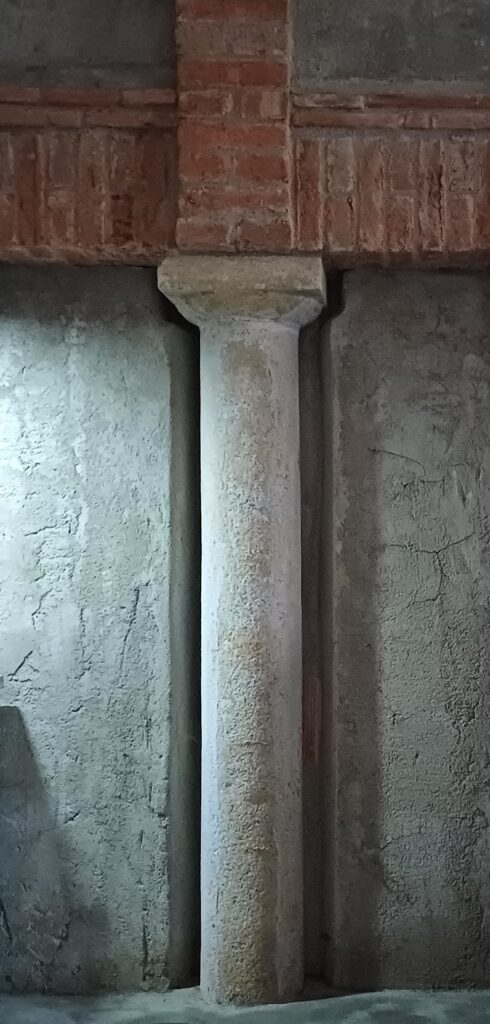
The ‘barn’ occupies two floors and is the space designated as Stage 11 for Casa Museo.
“As far as the house is concerned, in 1635 the authorities issued a decree specifying what its role was to be. In the case of your building, a stone column distinguished it from the houses of the peasant farmers. Its role in education was to be carried out by clerics and Father Capello taught there. In 1749 Chaplain Pietro Cevataro was given a three year appointment and it appears that it continued as a teaching facility until the town hall was bought by the Vidua family after 1865. Franco Scarrone, Historian of Conzano,
May 31st 2025
Our Location
Conzano, Province of Alessandria, Italy. The hamlet of Conzano is centrally located – an hour’s drive from Turin, Milan and Genoa. Known as the “land of the Australians” Conzano is famous for having been declared in 1992, as the symbol of the massive emigration of the people to northern Queensland during the 1890-1935 period. The ancient town square, named Piazza d’Armi (Weapons Square), was renamed Piazza Australia in 1992.
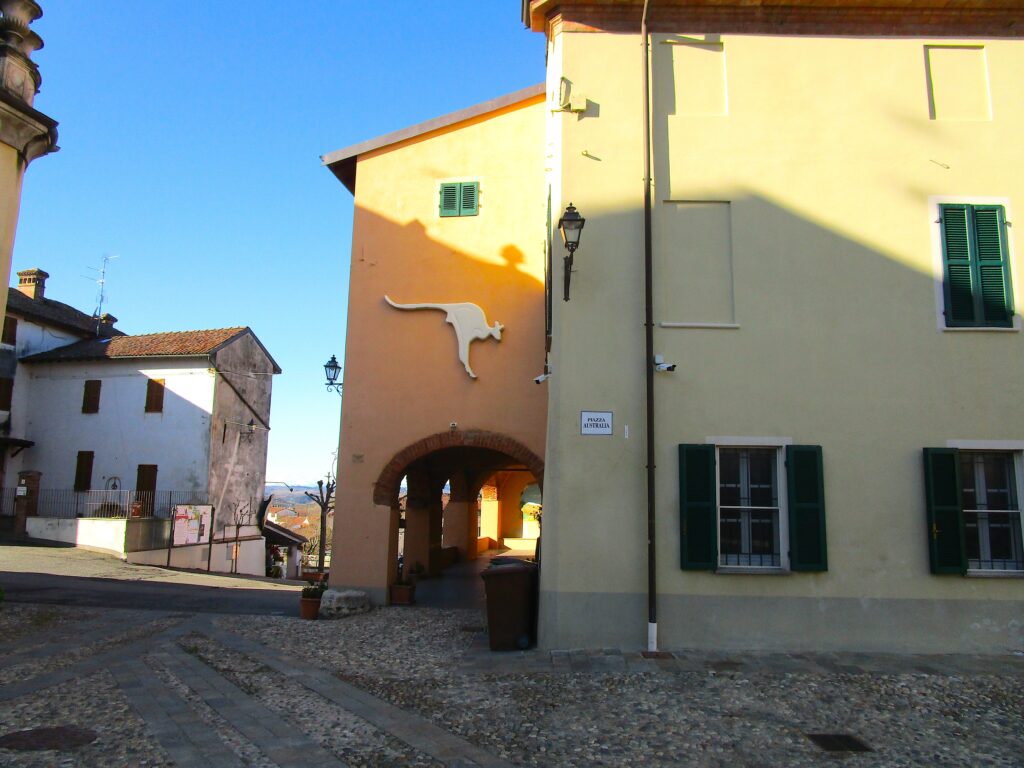
Conzano’s Villa Vidua, the eighteenth-century residence of the Count Vidua, restored after 1996, the year of its acquisition by the municipality, overlooks the ancient Piazza d Arms Square. Carlo Vidua, Count of Conzano, famous explorer, ethnographer and writer contributed to the foundation of the Egyptian Museum of Turin. In the tradition of exploration, travel and migration Carlo Vidua had a personal collection made up of ancient stones, tablets and artefacts, which are at the heart of the Egyptian Museum of Turin.